This man was staring down an 8-month death sentence from aggressive brain cancer.
Doctors gave him the grim timeline. Standard treatments-surgery, radiation, chemo-offered little hope. Most people in his shoes crumble, accept it, fade away.
But he refused.
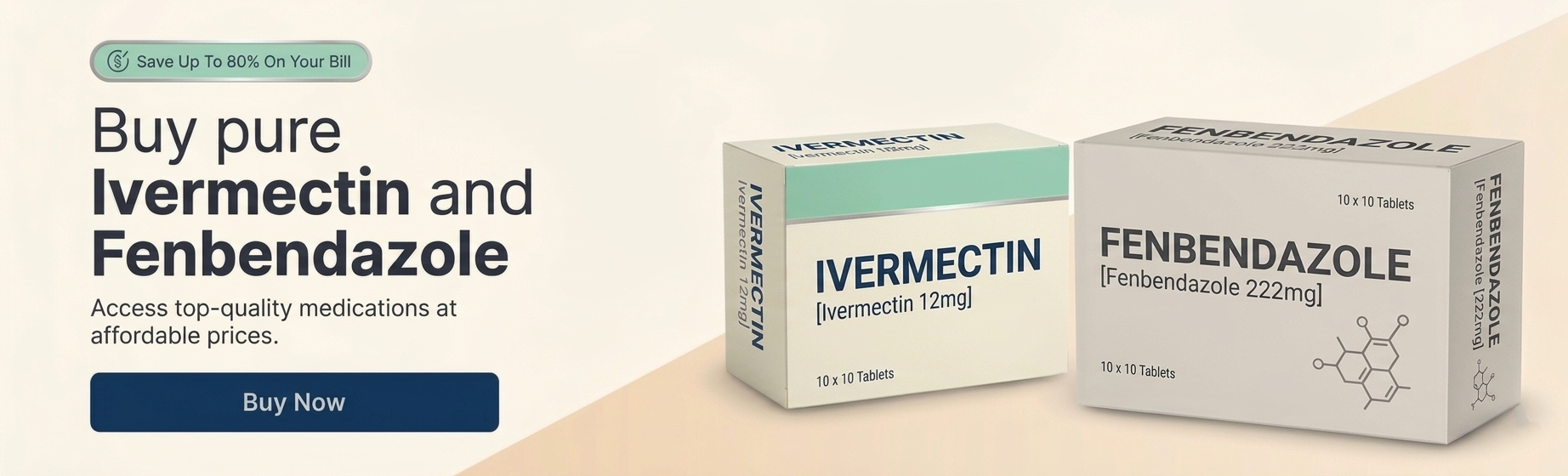
He dug into the research himself. What he found flipped everything: two cheap, old anti-parasitic drugs-ivermectin and mebendazole-showed real potential against cancer cells, especially stubborn brain tumors like glioma.
He started taking them. Combined with fasting, oxygen work, and targeted nutrition.
Years later? He's still here. Thriving. Doing better than ever.
Crazy story, right? Sounds too good. But hold on-because this isn't just one wild anecdote. It's part of a growing wave of people questioning why forgotten drugs are suddenly lighting up cancer labs.
And the science? It's starting to catch up in ways that make you sit up.
The Day Everything Changed for Me
Picture this: I'm lying in a hospital bed after my own brain cancer diagnosis. Scans look brutal. The neurosurgeon's face says it all.
I couldn't sleep. So I started reading-deep. Not the glossy pamphlets. The actual papers on PubMed.
I stumbled on something wild: antiparasitic meds, the kind used for worms in kids or livestock, were killing cancer cells in petri dishes and mice.
Why? Cancer cells act a lot like parasites sometimes-hijacking energy, hiding, resisting death.
That's when I learned about ivermectin and mebendazole.
Most people stop at "that's for parasites." But the real twist? These aren't random hacks. Emerging studies show they hit cancer where it hurts most: metabolism.
Here's What Ivermectin Actually Does to Cancer Cells
Ivermectin isn't just paralyzing worms. In cancer research:
- It blocks tumors from making energy via oxidative phosphorylation-basically choking their power plant (mitochondria).
- It targets cancer stem cells-the sneaky root cells that regrow tumors after treatment.
- It messes with glucose uptake, starving the tumor of its favorite fuel.
Lab studies on glioma cells (like U87, T98G lines) show it slows growth, triggers apoptosis (programmed cell death), and even hits pathways like Akt/mTOR.
One review summed it up: ivermectin has antitumor effects across many cancers, including brain glioma.
But here's the catch-ivermectin doesn't cross the blood-brain barrier super easily. Some studies suggest it can at certain doses, others say it's limited. Still, the preclinical data keeps piling up.
Now Mebendazole-the Real Brain Tumor Heavyweight
This one's different. Mebendazole crosses the blood-brain barrier like it's nothing.
Preclinical bombshells:
- In mouse glioma models (both syngeneic and xenograft), it extended survival up to 63%.
- It disrupts microtubule formation in glioma cells-stopping them from dividing.
- Triggers apoptosis in hard-to-kill cells.
- IC50 (half-killing concentration) as low as 0.1–0.3 µM in GBM lines-super potent.
Phase I trials tested it with temozolomide (standard GBM chemo) in newly diagnosed high-grade glioma patients. Doses up to 200 mg/kg/day were tolerated (some liver tweaks, reversible). Phase II showed modest survival gains-not game-over yet, but enough to keep researchers pushing.
One study: mebendazole + temozolomide beat temozolomide alone in mice.
This is why it matters for brain tumors. Most drugs bounce off the BBB. Mebendazole walks right in.
The Combo That Changes Everything
Alone, they're interesting.
Together? And layered with metabolic hacks?
- Fasting flips cells to ketone mode-cancer hates that, normal cells adapt.
- Oxygen therapy (hyperbaric) floods tissues, stressing hypoxic tumors.
- Targeted nutrition (low-glucose, high-fat, anti-inflammatory) starves the Warburg effect.
This metabolic switch supports the body's own healing. In my case, it felt like giving the drugs a turbo boost.
People whisper about "care protocols" using these. Not mainstream yet. But the logic tracks: hit cancer's energy, structure, and stemness while protecting healthy cells.
The Shocking Truth Most Oncologists Won't Say Out Loud
These aren't miracle cures. No one's claiming they replace surgery or radiation.
But the contrast is brutal:
Standard GBM prognosis: 12–15 months median survival.
Yet preclinical models show these old drugs extending life significantly. Human trials (small, early) hint at safety and signals.
Meanwhile, new targeted drugs cost hundreds of thousands-and often fail.
These? Dirt cheap. Repurposed. Decades of safety data.
Here's where it gets interesting...
The real power isn't one drug. It's rethinking cancer as a metabolic disease, not just genetic.
When you combine these antiparasitics with lifestyle levers, you attack from multiple angles.
That's how one man beat 8 months.
That's how I clawed back from my own diagnosis.
Your Next Move
If you're reading this and thinking "this sounds like my story"...
Don't just scroll away.
Dig into the papers yourself. Talk to a doctor open to integrative approaches (they exist). Consider metabolic strategies alongside standard care.
Share this if it hit home-someone in your circle might need the spark.
You're not alone in this fight. And sometimes, the answers come from the most unexpected places.
Keep questioning. Keep fighting.